1. Introduction
Energy efficiency matters for Kirkland homeowners because it affects two things you feel every day. Utility costs and comfort. When your home wastes energy, you pay more each month and you often deal with rooms that never quite feel right.
Energy-efficient renovations can be a sizable investment, but the right upgrades can reduce energy loss and make the home feel more consistent from season to season. As with any major home project, you want to make sure that you choose wisely and put money into changes that actually improve performance.
To help you get a handle on the best home renovations for energy efficiency in Kirkland, we break down the key options piece-by-piece. This guide reflects the practical approach Alpental Construction uses to plan and build upgrades that support comfort, efficiency, and long-term value.
2. Why Energy-Efficient Renovations Matter in Kirkland
Energy-efficient renovations matter in Kirkland because the local climate puts steady pressure on heating and cooling. Cooler, damp stretches can keep systems running longer, and small gaps in the building envelope show up faster when indoor and outdoor temperatures stay far apart. When a home leaks air, the equipment has to work harder to keep conditions stable.
Older homes are often where energy loss becomes most noticeable. Insulation may be thin or inconsistent. Windows and doors can allow drafts. Crawl spaces and attics can act like open pathways for heat to escape. Even if the home feels “fine,” those weak points can quietly drive up usage and create rooms that feel harder to keep comfortable.
The payoff for addressing those issues is long-term. Better efficiency can lower monthly utility costs and reduce the stress on heating and cooling equipment. It can also support resale value, because buyers respond more to homes that feel comfortable and cost less to run. When upgrades target the biggest sources of loss, the home performs better and holds its value more consistently over time.
3. Top Energy-Efficient Renovations for Kirkland Homes
3.1 Insulation Improvements
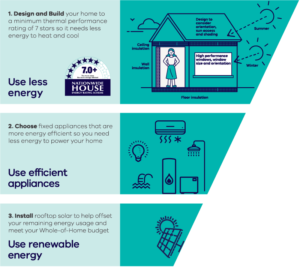
Insulation upgrades often deliver the clearest efficiency gains because they help your home hold onto conditioned air. In Kirkland homes, that usually means focusing on attic, wall, and crawl space insulation.
Attic insulation matters because heat rises. If the attic lacks coverage, warmed air slips out faster and your system runs longer to compensate. Wall insulation supports the same goal, especially in rooms that feel harder to keep steady. Crawl space insulation helps from the opposite direction by reducing heat loss through the floor.
Insulation also supports moisture control. When you improve heat retention, you reduce the temperature swings that lead to condensation in the first place. That can help the home feel less chilly and less damp in the spots that tend to stay cold.
3.2 Energy-Efficient Windows & Doors
Windows and doors can waste energy when they let in drafts or allow heat to leak out. If you have noticeable air movement near frames, you are already seeing why this upgrade matters.
Energy-efficient windows and properly fitted doors help reduce drafts and limit heat loss. That often makes the home feel more comfortable right away, especially near seating areas or bedrooms where people notice cold spots.
Another benefit is noise reduction. Better windows and doors can quiet outside sound, which adds to the overall comfort even though it does not show up on a utility bill line by line. In many homes, this upgrade improves how the space feels day to day, not just how it performs.
3.3 HVAC System Upgrades
HVAC upgrades can improve efficiency when you choose high-efficiency equipment and pair it with smart thermostats that help manage usage. The system you install matters, but so does how you run it.
High-efficiency systems use energy more effectively to deliver the same heating and cooling. Smart thermostats support that by helping you control schedules and avoid unnecessary run time when the house does not need it.
Proper sizing for Kirkland homes is a key part of this renovation. Oversized equipment can cycle too often. Undersized equipment can struggle to keep up. When you size the system correctly, it runs more consistently and supports steady comfort without wasting energy through constant starts and stops.
3.4 Kitchen & Bathroom Energy Upgrades
Kitchen and bathroom renovations can improve efficiency through targeted upgrades that reduce energy and water use in the rooms that see daily demand.
ENERGY STAR appliances help cut consumption without asking you to change how you cook or live. Efficient lighting helps in both kitchens and baths because these rooms often stay lit frequently. When you update lighting, the room can feel brighter while using less energy.
Ventilation also plays a role. Good ventilation supports moisture management in bathrooms and helps kitchens clear heat and humidity during normal use. That can reduce how hard other systems have to work to keep the home comfortable.
Water-saving fixtures add another layer of efficiency. They reduce water use in sinks, showers, and toilets, which can lower utility costs and support long-term performance without changing the look or function of the space.
3.5 Roofing & Siding Improvements
Roofing and siding improvements can support energy efficiency by strengthening insulation and improving weather resistance. The outer shell of the home affects how well it blocks outdoor conditions and how stable indoor comfort feels.
A well-built roof and properly installed siding help protect the insulation layer and limit exposure to wind and wet conditions. That protection supports more consistent indoor temperatures, especially during longer stretches of seasonal weather.
These upgrades also offer long-term durability benefits. When the exterior holds up better, it protects the systems behind it and reduces the chance that weather-related wear leads to energy loss over time.
4. Cost vs Long-Term Energy Savings
Energy-efficient renovations can range from smaller projects to larger investments, and the total cost usually depends on scope, materials, and how much of the home you address at once. Some upgrades come with a lighter upfront price tag, while others require a bigger budget because they involve more labor and more building components.
The savings tend to show up month to month through lower utility bills. When a home loses less energy, heating and cooling systems do not have to run as long to keep indoor temperatures steady. Over time, that can add up, especially in a climate where homes rely on heating for extended stretches.
Return on investment depends on the renovation mix and the condition of the home before the work starts. Projects that reduce energy loss can improve day-to-day comfort and also support resale value, because buyers often respond to homes that feel easier to live in and cheaper to operate. When renovations target the biggest sources of waste, the numbers tend to make more sense over the long run.
5. Common Mistakes Homeowners Make
Before you commit to energy-efficient renovations, it helps to keep a few common mistakes in mind. These missteps can limit results even when the work looks good on paper.
One mistake is focusing on one upgrade only. Energy efficiency usually improves most when the home works as a system. If you only address one area, other weak points can keep draining energy and undercut the upgrade’s impact.
Another mistake is ignoring air sealing. Small gaps and leaks can let conditioned air escape and allow outside air to slip in. That forces heating and cooling equipment to run longer to keep indoor temperatures steady. Air sealing often supports other upgrades by helping them perform the way you expect.
A third mistake is choosing materials not suited to the local climate. Kirkland conditions can challenge building materials over time, especially when moisture and seasonal shifts stay in the mix. When materials do not match those conditions, performance can slip and durability can suffer.
6. How Alpental Construction Approaches Energy-Efficient Remodeling
Alpental Construction approaches energy-efficient remodeling with whole-home planning instead of treating upgrades as isolated projects. That planning helps you see how insulation, windows, HVAC, and exterior work affect each other, so the home improves as a system and not as a set of separate fixes.
Design-build expertise supports that process. With design and construction working together, the project stays aligned from the early decisions through the final installation. That coordination helps keep the scope clear, reduces mid-project surprises, and makes it easier to prioritize the improvements that support comfort and efficiency in Kirkland homes.
Quality materials and precise execution finish the job. Energy performance depends on details, including tight installation, consistent coverage, and durable components that hold up over time. When the work is done carefully and the materials fit the Kirkland local conditions, the upgrades perform more reliably and the home keeps the benefits longer.
7. Frequently Asked Questions
Which renovation saves the most energy?
Insulation improvements often deliver the biggest savings because they reduce heat loss across the whole home. When the attic, walls, and crawl space hold conditioned air better, every other system works less.
Are energy-efficient renovations worth it in Kirkland?
They often are, especially when utility costs and comfort issues are already on your radar.
How long do these renovations take?
Timing depends on scope. Smaller upgrades can move quickly, while multi-area projects take longer because they involve more trades and more scheduling.
Can upgrades be done in phases?
Yes. A phased plan can help you prioritize high-impact work first and spread out the investment.
Does Alpental help plan energy-efficient remodels?
Yes. Alpental Construction supports whole-home planning so upgrades work together. That helps keep decisions focused on performance, comfort, and long-term value.
8. Conclusion
Energy-efficient renovations can pay off through better comfort, lower utility costs, and stronger long-term value for your Kirkland home. When upgrades reduce energy loss, heating and cooling systems can run more steadily, rooms can feel more consistent, and the home can become easier and less expensive to operate over time.
The best results usually come from planning the work around local conditions. Kirkland’s climate and housing stock create specific challenges, and a contractor who understands those factors can help you choose renovations that make sense for the home instead of chasing upgrades that look good but underperform.Ready to make your Kirkland home more energy-efficient? Contact Alpental Construction to schedule a consultation today.