
1. Introduction
Looking to make your Kirkland home feel bigger and more functional this summer? Many homeowners hit the same wall when guests come over, kids stay home more, and everyone wants space to spread out. A smart home addition can solve that pressure without forcing you to move.
Extra living space gives you room to host dinners, set up a dedicated office, or create a hangout area that does not take over the kitchen table. Summer is also a great time to add spaces that connect indoors and outdoors, like a sunroom, a screened porch, or a larger family room that opens to the backyard. When the design fits your lot and layout, the addition can also support property value by making the home more usable for the next buyer.
Alpental Homes brings local Kirkland experience to home additions, so your project starts with a clear plan and ends with a finished space you can actually enjoy. The team can guide layout, materials, and the construction steps that keep the work moving in the right order.
Contact Alpental Homes to start planning your perfect summer addition now!
2. Why Consider a Home Addition in Kirkland
Home additions have become a common choice in Kirkland because many owners want more space without leaving the neighborhood they already like. Moving costs money, takes time, and often forces tradeoffs on schools, commute, or daily routines. An addition lets you keep your location while fixing the parts of the home that feel tight.
A well planned expansion can also support property value because buyers tend to pay for usable square footage and better layouts. Extra bedrooms, a larger kitchen area, or a dedicated office can make the home work for more types of buyers later. The key is to build space that feels connected to the rest of the house, not like an afterthought.
Summer makes the process easier for many families because you can use outdoor areas more while work happens inside. It is also a good season for additions that extend outdoor living, like a covered porch or a larger room that opens to the yard. If your household is growing or you need a quiet place to work, an addition can solve the space problem in a way that fits how you live now.
3. Popular Home Addition Ideas
The best home addition ideas for Kirkland solve one daily problem, then add extra comfort for summer, and the right choice depends on your lot, layout, and how you use the space most days.
Sunrooms and Screened Porches
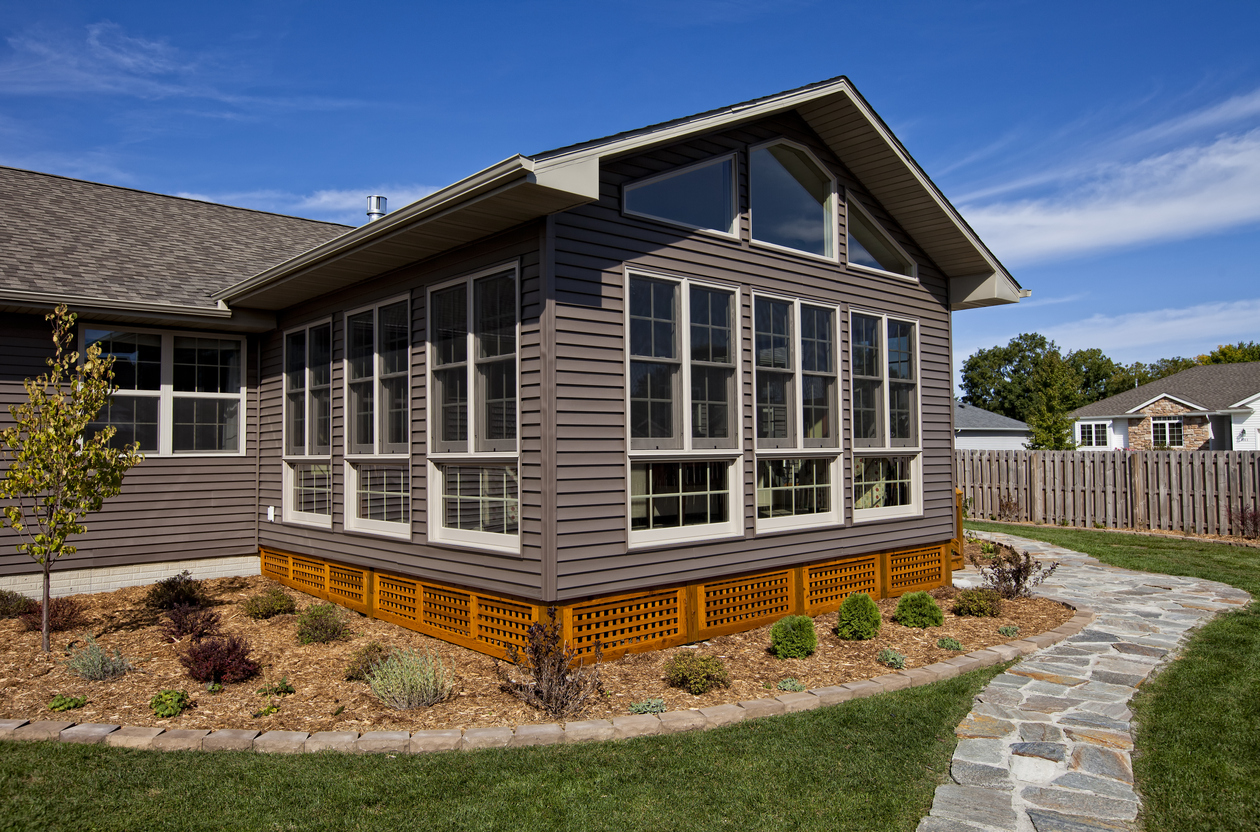
A sunroom or screened porch gives you an outdoor feel without bugs, more natural light, and space for meals or hosting when the backyard feels busy. Many homeowners add ceiling fans and shades to manage heat and keep airflow moving.
Kitchen or Family Room Extensions
A kitchen or family room extension adds square footage for a larger island, dining area, or better flow during meals and hosting. Plan around movement with clear walkways, good sight lines, and easy yard access through larger doors.
Second-Story Additions
A second-story addition adds bedrooms or office space without giving up yard space. Careful planning for stairs, structure, bathrooms, and closets helps the new level feel like it always belonged.
Outdoor Living Spaces
Decks, patios, and pergolas create space for dining, lounging, and shade during summer. Plan for drainage, durable materials, and easy access to the home so the area gets used often.
Bonus Rooms or Home Offices
Bonus rooms and home offices give quiet space for work, storage, or guests. Make sure to plan for sound control, lighting, power, and flexibility so the room stays useful over time.
4. Planning Your Home Addition
Start planning your Kirkland home addition by getting clear on what the space must do every day. Decide if you need more seating, another bedroom, a quiet office, or better indoor outdoor flow, because that goal will drive the layout and the budget. Once you know the purpose, you can spot constraints like slope, access points, and where the addition can connect to existing plumbing or electrical.
Budgeting works best when you price the whole project, not just the new square footage. Include design work, engineering if needed, permit fees, demolition, framing, roofing, windows, insulation, finishes, and site cleanup. Add a contingency fund, because once construction starts you may find issues behind walls or under floors that you could not see during planning.
Permits and zoning in Kirkland can shape what you can build, so check them early. Setbacks, height limits, lot coverage, and critical area rules can affect the size and placement of an addition, especially on tighter lots. If you have an HOA, confirm its rules and review process too, because HOA delays can push a summer timeline.
Timeline planning matters most for summer projects because demand rises and lead times can stretch. Start design and permitting early, then order long lead items like windows, doors, and custom materials before work begins. Build time for inspections and trade scheduling, because rough in approvals and final sign offs often control when the next phase can start.
Material choices should balance durability and style, so the addition looks right and holds up over time. Match roofing and siding details where you can, and choose windows and doors that handle sun exposure while improving comfort. For outdoor focused additions, pick finishes that resist moisture and temperature swings, so you spend summer enjoying the space instead of maintaining it.
5. Summer-Friendly Design Tips
A summer addition should feel bright, comfortable, and easy to use when friends come over. Light colors help with that because they reflect daylight and make the space feel more open. You can use lighter wall paint, trim, and flooring tones to keep the room from feeling heavy when the sun is strong.
Natural light works best when you control it instead of letting it take over the room. Place windows to bring in steady daylight, then add shades or overhangs to reduce glare during the hottest part of the day. If privacy matters, you can use higher windows or a mix of window sizes to bring in light without putting the whole room on display.
Ventilation and airflow keep the space usable when temperatures rise. Operable windows, ceiling fans, and clear pathways for air to move can prevent a warm, stale feel. If the addition connects to a porch or patio, screened openings can keep air moving while reducing bugs.
Outdoor indoor flow should feel natural, not like you are squeezing through a narrow doorway. Wide sliding or folding doors make hosting easier because people can move between the yard and the new space without bottlenecks. Energy efficient windows and doors also matter because tight seals and quality glass keep the room comfortable and reduce wasted heating and cooling.
6. Common Mistakes to Avoid
Most home additions go off track for the same reasons, and the fixes usually start early. Homeowners often get excited about the new space and rush past rules, layout planning, and long term upkeep. Those shortcuts can cost more than the addition itself when you have to redo work or fight delays.
Overlooking permits or HOA rules is one of the fastest ways to lose momentum. Kirkland projects may need approvals based on size, placement, or structural changes, and an HOA can add its own design and timing requirements. If you skip those steps, you risk stopping work issues, redesigns, or having to remove work that already got built.
Poorly planned layouts also create regret because the addition feels disconnected from the rest of the home. A new room should match how people move through the house, where light enters, and where furniture will actually fit. If doors, windows, and traffic paths do not line up, the space can feel awkward even when it looks nice.
Ignoring long term maintenance often shows up a few seasons later. Roof transitions, siding details, drainage, and window placement all affect how much upkeep the addition needs over time. Cutting corners on quality makes that problem worse, because cheaper materials and rushed workmanship tend to fail first in seams, finishes, and high use areas. When you build with durable materials and solid details, the addition stays comfortable and holds value long after summer ends.
7. How Alpental Homes Helps Kirkland Homeowners
Alpental Homes helps Kirkland homeowners turn an additional idea into a finished space that fits the house and the lot. The team starts with custom design work, so the new room connects cleanly to existing traffic paths, rooflines, and natural light. That planning step also helps you avoid layout fixes later, when changes cost more and slow the schedule.
Licensed and insured construction matters because additions involve structural work, weather protection, and multiple trades working in sequence. Alpental manages the full project, which keeps framing, electrical, plumbing, and finish work moving in the right order. You get clearer communication on what happens next, so the project does not drift when small decisions pile up.
Summer planning is also part of the service, especially when you want the space usable during the season. The team can guide material choices that handle sun, moisture, and heavy foot traffic, and they can plan work phases to reduce disruption while you live at home.
You can learn more on the Home Renovation Services page or reach out through the Contact Page.
8. Frequently Asked Questions
How much does a home addition cost in Kirkland?
Costs vary based on size, structure, and how much the project affects existing systems. A simple sunroom costs far less than a second story addition with major framing and roof work, and finishes can shift the number quickly. Start with a defined scope and price real materials and permits instead of assuming.
How long does a summer addition typically take?
The timeline depends on design, permitting, and ordering, not just construction. Smaller additions move faster, while larger expansions take longer due to structural work and trade coordination.
Do I need permits for a home addition?
Most additions require permits because they change structure or modify electrical, plumbing, or mechanical systems. Kirkland rules vary by project and lot conditions, and HOA approval may also apply. Confirm requirements early to avoid redesigns and delays.
Which addition adds the most value to my home?
Additions that improve function, like extra bedrooms, a bathroom, or a family room extension, often add the most value. A second story can increase value on tight lots but costs more and needs careful design. The best return solves a clear layout problem and fits neighborhood expectations.
Can Alpental handle outdoor and indoor additions?
Yes, Alpental Homes manages both outdoor and indoor additions with coordinated planning and execution.
How do I choose the right materials for a summer-focused space?
Plan for sun, moisture, and heavy use when selecting materials. Choose finishes that resist fading and wear outdoors, and durable flooring with well sealed windows and doors for indoor spaces. Low maintenance surfaces and hardware that hide fingerprints reduce upkeep.
9. Conclusion
Summer is a great time to expand your Kirkland home because you can enjoy the extra space right away. A well planned addition gives you room for guests, better day to day flow, and a layout that feels less crowded. If you choose an option like a sunroom, porch, or outdoor living space, you also get more ways to use the yard during warm evenings.
The best results come from clear planning, solid materials, and quality construction that fits the home. When the design connects cleanly to the existing layout, the new space feels natural instead of separate. A thoughtful addition can also support property value by adding square footage buyers want and making the home easier to live in.
Alpental Homes can guide design, permits, scheduling, and build details so your project stays organized.
Ready to transform your Kirkland home this summer?
Contact Alpental Homes today to start designing your dream addition.