
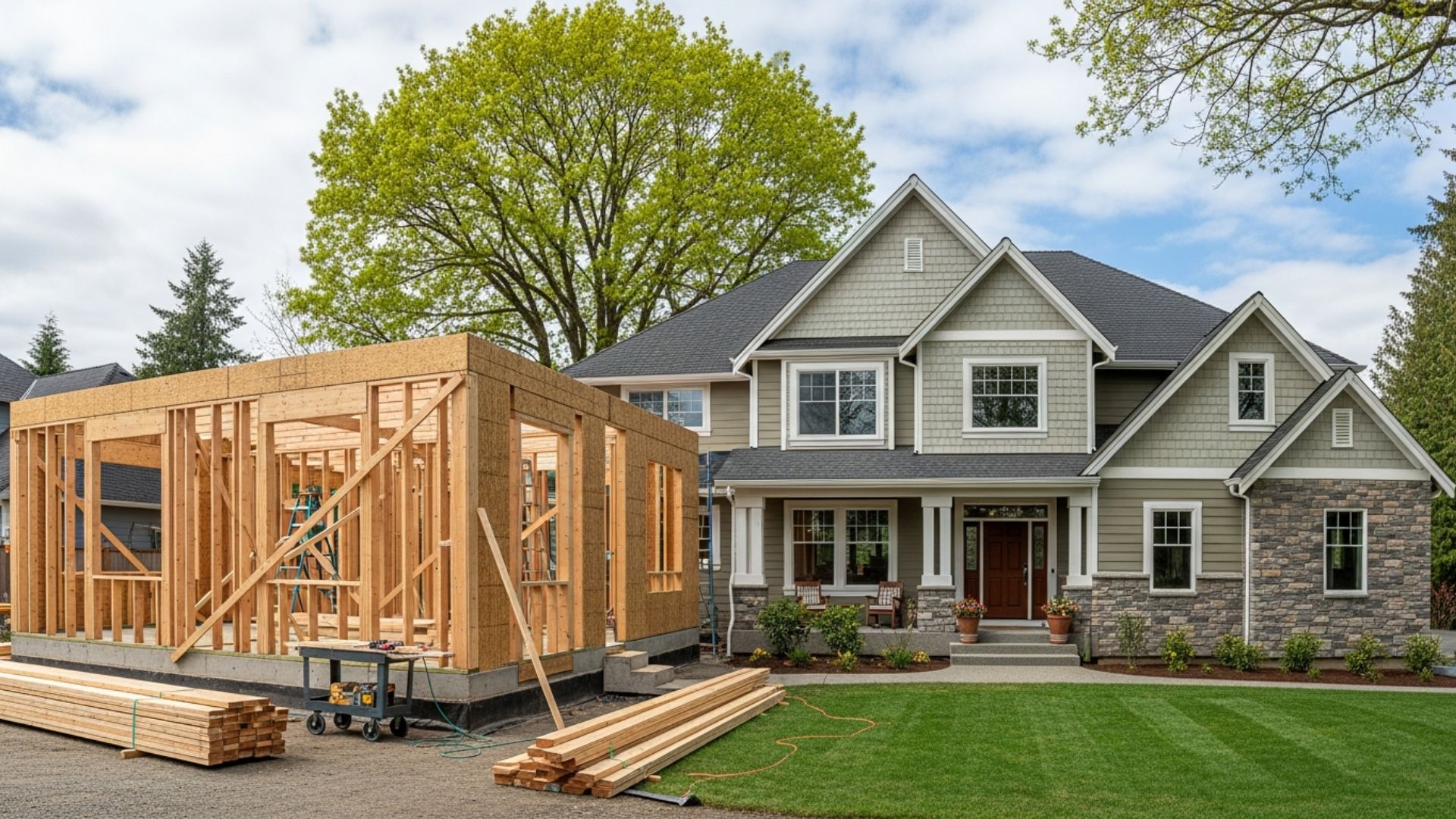
Your Kirkland home addition contract is signed. The deposit’s sent. And now you’re standing in your kitchen thinking… okay, but what actually happens next?
That moment is more common than people admit. On paper, a home addition sounds exciting. More space. Better flow. Finally fixing the thing that’s been bugging you for years. But once construction starts, it’s real life again. Noise. Dust. People in and out of your driveway.
Most Kirkland home additions take 12–16 weeks of construction. There will be disruptions. That’s unavoidable. What is avoidable is stress caused by not knowing what’s coming.
Smooth projects of home additions usually come down to one thing: clear expectations. Knowing the timeline. Understanding how your daily life will change. And knowing when decisions and payments actually happen.
This guide walks you through the full process week by week, based on how projects typically run in Kirkland, including local permitting realities and inspections.
Home Addition Construction Timeline in Kirkland: What to Expect Week by Week
Here’s the estimated timeline for a home addition in Kirkland.
Weeks 1–4: Pre-Construction & Permitting
This phase doesn’t look exciting. But it’s where good projects are made or quietly derailed.
First, contracts are finalized, and material selections are locked in. Late decisions here almost always show up later as delays or change orders. Cabinets, windows, siding profiles, roofing, fixtures, this is when they’re confirmed.
At the same time, your contractor submits plans to the City of Kirkland for permits. Under normal conditions, approvals take about 2–3 weeks. Sometimes faster. Sometimes slower. HOA approvals, utility easements, or minor plan revisions are the usual culprits when things stall.
While the city reviews plans, your contractor prepares the site. Parking areas are designated. Material staging is planned. Protective barriers are set up to protect landscaping and existing structures. Neighbors are typically notified as a courtesy, especially important on tighter Kirkland streets.
What you’ll be doing: Finalizing any remaining selections. Clearing out areas near the construction zone. And mentally preparing for the shift that’s coming. It’s calm now. Enjoy it.
Weeks 5–6: Foundation & Site Work
This is when construction feels real. And loud.
Excavation starts. Soil is moved. Foundations are formed and poured. Concrete trucks come and go. Backup beepers echo down the street. Honestly, this is the noisiest phase of the entire project.
Expect limited yard access. Mud, especially during wetter months. Heavy equipment tracks. Crew hours are typically 7 am–4 pm on weekdays, which aligns with Kirkland noise ordinances.
Weather plays a role here. Rain delays of 1–3 days aren’t unusual, especially in fall and winter. The key thing to know: these delays are normal and accounted for in well-planned schedules.
What you’ll notice most: vibrations through the house, constant activity, and the sense that your property is briefly a jobsite. Because it is.
Weeks 7–10: Framing & Exterior Shell
This is the phase homeowners love. Because you can finally see progress.
Walls go up. Rooflines take shape. Windows and doors are installed. One day, you look out back and think, Oh, there it is.
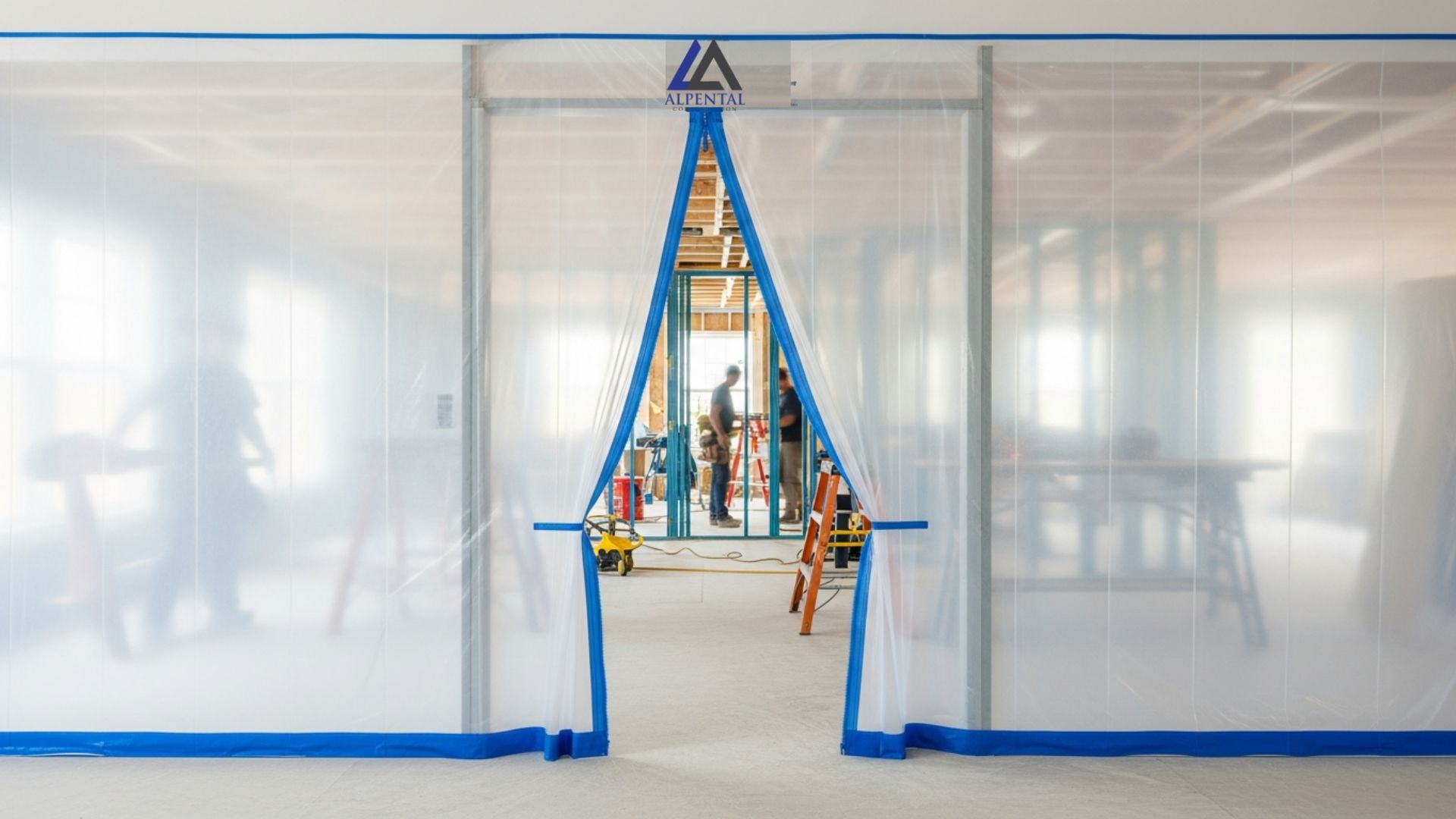
Noise levels drop slightly from foundation work, but are still noticeable. Nail guns. Circular saws. Delivery trucks. Dust barriers are installed to separate the addition from the existing home, which helps a lot with cleanliness.
This is also when safety becomes critical. The construction zone is off-limits to kids and pets. No exceptions. It’s not about trust…it’s about liability and common sense.
A major milestone here is the framing inspection. The city checks structural integrity before anything gets covered up. Homeowners are welcome to attend, and many do. It’s reassuring to see things signed off.
Weeks 11–13: Systems Installation (Electrical, Plumbing, HVAC)
Once framing is approved, the addition gets into its peak.
Electricians, plumbers, and HVAC crews run lines through walls and ceilings. This is detailed, methodical work. And it’s less visually exciting, but absolutely critical.
You’ll likely experience scheduled utility shutoffs, usually lasting 2–4 hours. Water or power might be off briefly while systems are tied in. You’ll get advance notice.
Insulation follows, then multiple city inspections: electrical, plumbing, and mechanical rough-ins. All must pass before drywall can begin. If something doesn’t pass, it gets corrected. That’s normal too.
Drywall delivery usually happens near the end of this phase. Big truck. Temporary driveway blockage. Short inconvenience.
Weeks 14–16: Interior Finishes & Completion
This phase feels busy. Because it is.
Drywall goes up, gets taped, textured, and sanded. This creates the most dust of the entire project. Even with barriers, fine particles travel. Plan on extra cleaning afterward. Changing HVAC filters is smart here.
Painting follows. Expect a couple of days of paint smells and lots of ventilation. Then, flooring, trim, cabinets, fixtures, and hardware go in. Multiple specialty trades may be on-site the same day.
Near the end, you’ll do a final walkthrough with your project manager. This is where you note touch-ups and small adjustments, the punch list. Nothing dramatic. Just the last 5% that makes the space feel finished.
The city performs its final inspection, and once that passes, the addition is officially complete.
Can You Live in Your Home During a Home Addition?

Yes, you can live in your home during a home addition, but it depends on the type of addition and how it’s managed.
If the work is limited to areas like adding a room, extending the kitchen, or building upward, many homeowners stay put. Let’s honestly discuss whether staying in your home is practical during the build or not.
Managing Noise & Disruption
Some weeks are louder than others. Foundation and framing are the peak. Finishes are quieter.
Kirkland noise rules allow construction 7 am–6 pm weekdays and 9 am–6 pm weekends. No one should be firing up saws before that.
If you work from home, plan important calls around known noisy phases. Most contractors are happy to avoid particularly disruptive work on days you flag as critical. Communication helps more than people expect.
Family, Pets & Safety
Construction zones aren’t playgrounds. Kids and pets need clear boundaries. Designate safe areas inside the home and let crews know if animals are present.
Supervised site visits are fine. Wandering around isn’t. Plastic dust barriers stay up for a reason; don’t fight them.
Kitchen & Bathroom Access
If your addition touches the kitchen, expect 2–4 weeks of limited access. A temporary setup with a microwave, toaster oven, or grill saves sanity.
Bathroom shutoffs are usually daytime only and restored by evening. You’ll get notice. Still, having a backup plan helps.
Parking, Dust & Weather
Expect 2–4 contractor vehicles daily. Deliveries may block the driveway briefly. Dumpsters usually sit at the driveway edge or street.
Daily cleanup is standard. But drywall dust is sneaky. Plan a deep clean after completion.
Weather can add 1–5 days total. Interior work continues when possible. A 1–2 week buffer keeps expectations realistic.
Home Addition Payments, Inspections & Final Walkthrough: How Kirkland Projects Wrap Up
Staying Informed
Good contractors over-communicate. They share weekly updates and photos, and what happened this week, and what’s next.
You should know who your project manager is and how to reach them. A 24–48 hour response time is reasonable. And yes…your questions matter. Ask them.
Decision Points
Some choices are time-sensitive. Exterior details around weeks 6–8. Interior fixtures around weeks 10–12. Paint colors near the end.
Change orders happen. When they do, they should be written, priced clearly, and approved before work continues. No vague promises.
Payment Milestones
A typical payment structure looks like this:
- 10% at contract signing
- 25% at permit approval
- 25% after foundation completion
- 20% when framing is weather-tight
- 15% at substantial completion
- 5% retainage after punch list completion
Never pay ahead of work completed. Each payment should align with visible progress and passed inspections.
Final Walkthrough, Warranty & Aftercare
Final inspection. Punch list. Completion certificate. The final payment.
Yes, your project comes with a 1-year workmanship warranty, along with manufacturer warranties on materials and fixtures. But more than that, you know exactly who to call if something feels off later. That long-term support is part of what a professional handoff should feel like: clear, accessible, and human.
Get Your Home Addition Done Without Feeling Chaotic
When you understand the process, the timeline, and what’s expected of you, it becomes manageable.
Kirkland projects come with their own realities: permitting timelines, weather patterns, and city inspections. Local experience matters a lot.
At Alpental Constructions (a licensed home addition contractor of 23 years’ experience in serving Kirkland), we believe your addition should improve your life, not temporarily disrupt it more than necessary. Clear communication, realistic schedules, and quality checks at every payment milestone are how we do that.
Ready to start your home addition with the best contractor in Kirkland who keeps you informed every step of the way? Schedule your consultation with Alpental Construction today. Let’s talk through your timeline, your budget, and your expectations, no surprises, just solid craftsmanship.